Off-Grid Automation
Powering automation where the grid does not reach
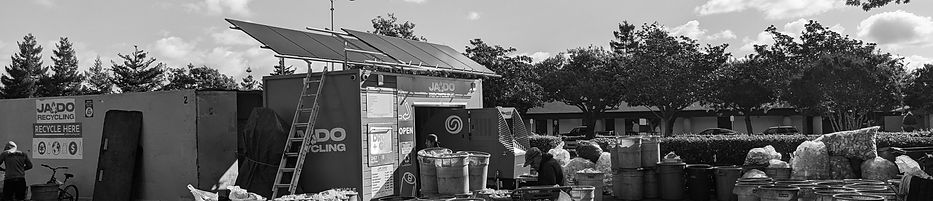
Not all automated systems operate inside traditional industrial facilities. Many applications must function in locations where power, connectivity, and infrastructure are limited or unavailable. TAC develops self-contained automation platforms that can be deployed in shipping containers, trailers, or other compact structures, integrating controls, sensors, power management, and communication systems.

_edited.jpg)
Containerized and Mobile Systems
Containerized automation packages consolidate industrial equipment, control systems, and environmental protection into a single integrated unit. Systems can be housed in shipping containers, trailers, or custom enclosures suitable for outdoor environments.
This approach allows complete automation processes to be delivered as pre-assembled and pre-tested units, reducing installation time and site complexity. Systems can also be designed for mobility, allowing equipment to be relocated between sites to accommodate shifting operational requirements, temporary projects, or distributed operations.
Off-Grid Power Systems
Remote deployments often require independent power generation. Timberline systems integrate solar arrays, battery storage, and energy management controls to maintain continuous operation without grid power.
Power systems are designed alongside the automation equipment to balance generation, storage, and consumption for the application. Key features can include:
-
Solar generation sized for expected duty cycles
-
Battery storage to maintain continuous operation
-
Load management and power monitoring
-
Remote diagnostics and energy performance tracking
Integration of automation and power systems enables efficient operation even in environments with variable or limited power availability.

Brands We Trust



Monitoring, Security, and User Integration
Off-grid automation platforms can operate with minimal on-site staffing. Systems often include monitoring, camera integration, and secure communication to support remote operation.
Depending on the application, capabilities can include:
-
Customer-facing interfaces such as kiosks, displays, or mobile integrations
-
Secure remote monitoring dashboards for operators
-
Integrated cameras and automated monitoring systems
-
Cellular, satellite, or wireless communication links
Platforms can serve customer-facing applications or internal operational infrastructure. In all cases, the systems provide visibility, control, and diagnostics to enable operation and monitoring from remote locations.